Summer 2026 · Ages 10–13 · In-Person & Online
Introduction to Debate
A gentle on-ramp into competitive speech and debate.
About this program
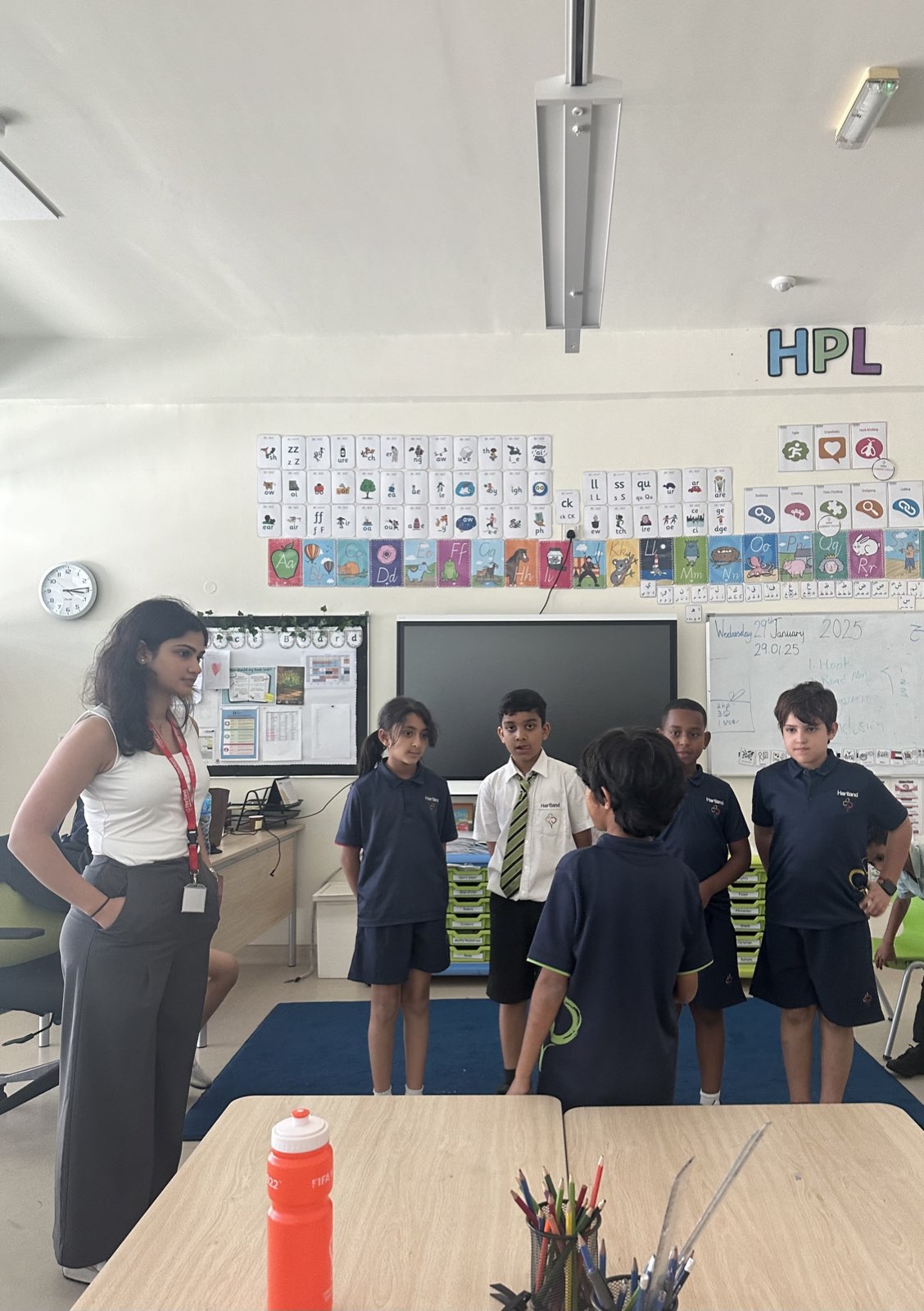
A once-weekly introduction designed for students new to formal debate. Across seven sessions, students learn how to build an argument, find and use evidence, respond under pressure, and deliver speeches with confidence. By summer end, students are ready to step into Flagship Camp or compete in their first junior tournaments.
Is this the right fit?
- Who it's for
- Students ages 10–13 · Beginner
- Prerequisites
- No prior debate experience required.
- Format & location
In-Person & Online · 2 hrs of coaching per week
In-person sessions meet at our Barsha Heights, Dubai office.
- Schedule options (Dubai time)
- In-Person — Saturdays: Saturday 1 PM–3 PM
- Online — Sundays: Sunday 3 PM–5 PM
- Good to know
- •Small cohort sizes.
- •Strong fit for students considering Flagship Camp next summer.
A sample day
Sample week — Why Debate?
- 15 min
Welcome & Warm-Up
Group introductions and what each student wants from summer.
- 30 min
Lecture: Why Debate Matters
How debate trains clear thinking, persuasion, and respectful disagreement — illustrated with short clips of famous speakers.
- 15 min
Watch & Discuss
Short TED talk by a young speaker; discuss what made it effective.
- 30 min
One-Minute Passion Speech
Every student delivers an impromptu 1-minute speech on any topic they care about.
- 30 min
Reflection & Assignment
Group debrief, peer feedback, and the first short reading & writing assignment.
Week by week
Seven weeks. Each week builds on the one before it, so the course runs as a single progression from the first session to the last.
01Why Debate?
July 6 – July 10
Students discover what debate is and why it matters — clear thinking, fair persuasion, learning to disagree well. We open with a famous short speech, watch a TED talk by a young speaker, and run a one-minute "passion speech" warm-up so every student stands and speaks on day one.
Readings
- I Have a Dream — Martin Luther King Jr.Excerpts from the 1963 speech — accessible, foundational.
- What adults can learn from kids — Adora Svitak (TED)TED talk by a young speaker — a great age-appropriate model.
- 5 tips to improve your critical thinking — Samantha Agoos (TED-Ed)Short animated explainer on questioning your own assumptions.
02How an Argument Works
July 13 – July 17
The building blocks. Students learn the claim–evidence–reasoning framework, draft short arguments on accessible topics (homework, allowance, screen time), and practice supporting their views with reasons rather than assertions. Mini exercises train the ear for weak versus strong arguments.
Readings
- How to use rhetoric to get what you want — Camille Langston (TED-Ed)A clear primer on ethos, pathos, and logos.
- Aesop's FablesSelected short fables — public-domain texts that model argument structure.
- Selected Essay (The Atlantic (Education))Instructor-curated short essay on a current education debate.
03Finding Good Evidence
July 20 – July 24
Where to look, what counts, and how to spot weak sources. Students learn the difference between opinion, fact, and expert claim — and practice quickly sourcing real evidence for short arguments. We use age-appropriate databases and reputable news to build the habit.
Readings
- How to choose your news — Damon Brown (TED-Ed)On evaluating sources for bias and reliability.
- Selected Article (Newsela)Instructor-curated reading at age-appropriate reading level.
- Selected Article (Britannica School)A short, sourced piece on a current topic for evidence drills.
04Listening & Responding
July 27 – July 31
A great debater listens before they speak. Students learn to take quick notes during opponent speeches, identify the strongest argument to attack, and craft calm, sharp responses. Drills include restating the opposing argument before refuting it — the surest test of real listening.
Readings
- The art of the metaphor — Jane Hirshfield (TED-Ed)On how language carries meaning beyond literal content.
- Crucial Conversations — Patterson, Grenny, McMillan & SwitzlerIntro chapter on listening with intent before responding.
- Televised Political Debate ClipInstructor-curated short clip — discuss what worked and what fell flat.
05Speech Structure
August 3 – August 7
How to open strong, sign-post your points, and land a memorable close. Students draft full three-minute speeches with introductions, three reasons, and powerful endings. We dissect famous short speeches to see why they work — rhythm, structure, and call-back lines.
Readings
- The Gettysburg Address — Abraham Lincoln272 words — the perfect compact speech to study.
- UN Climate Action Summit Speech (2019) — Greta ThunbergA modern model of a short, structured, high-impact speech.
- Talk Like TED — Carmine GalloOpening chapter on the architecture of memorable talks.
06World Schools Format
August 10 – August 14
Students learn the rules of World Schools Debate — three speakers per team, eight-minute speeches, reply speeches, and points of information. We walk through each speaker's role and run a slow-motion mock round so students feel the format. By end of week, each student knows exactly what their job is.
Readings
- WSDC Rules SummaryInstructor-provided one-pager on format, timing, and speaker roles.
- WSDC Final — Annotated Clip (YouTube)Short instructor-annotated clip from a recent WSDC final.
- How WSDC Differs from American DebateInstructor-curated comparison to give a sense of the global circuit.
07First Tournament Round
August 17 – August 21
The full experience. Students debate live in front of a coach-judge on accessible topics, receive structured feedback, and celebrate the summer. The focus is on technique and confidence — not exotic content. Awards for best speaker, best argument, and most improved.
Readings
- Re-read a FavoritePick a piece from earlier weeks that resonated and revisit it.
- Review Your Speech RecordingWatch your own week 1 speech alongside your week 7 speech — see the growth.
- UN Youth Speech (2013) — Malala YousafzaiInspiring close — a 16-year-old addressing the world.
What students take away
Everything included with full summer (7 weeks) enrollment.
- ✓All seven weekly sessions
- ✓End-of-camp progress report
- ✓Materials and handouts provided
- ✓Priority placement into term courses
Frequently asked
Do you handle inquiries about pricing privately?
Yes. We share program fees, sibling discounts, and any early-enrollment offers directly with families once we understand the right fit. Get in touch and we will send everything within one business day.
What does my child need to attend?
For online sessions: reliable internet, a computer with webcam and microphone, and a quiet workspace. For in-person sessions at our Dubai campus: just themselves and a notebook. All materials are provided.
What if we miss a session?
Online sessions are recorded and shared with enrolled students within 24 hours. Research and writing assignments can be completed asynchronously. We recommend attending live whenever possible for the peer interaction.
What happens after summer ends?
Students can continue with our regular term courses starting in September. Summer students often advance one to two levels and are well prepared for fall tournaments.
Enrollment
This program is not currently open
Enrollment for this program is closed. Our Intro to Debate and Public Speaking Camp is now open for ages 8–15, running in person in Dubai from August 3–30.
See programs open nowOutcomes
What summer changes for our students
87%
Increase in Analytical Thinking Skills
7x
More Likely to Attend a Top-10 University
20%
Increase in Grade Point Average
15%
Increase in Social Confidence
Recent Tournament Results
- •2025 Stanford Invitational — Novice Open Quarterfinalists (Top 8)
- •2025 Oxford Schools Finals — Novice Finals & 5th Best Novice Speaker
- •2025 Harvard Invitational — Middle School Quarterfinalists, Octofinalists & Top International Speaker
- •2025 Harvard Debate Council International — Middle School Semifinalists
- •2025 Cambridge Union International Young Debaters — Open Finalists & 6th Best Open Speaker
Coaches
Taught by debate champions and Oxford Union coaches
Our instructors include former head coaches of the Oxford Union, world champions, and international finalists.
Meet the teamExplore
Other summer programs
Intro to Debate and Public Speaking Camp
Four weeks in Dubai to go from nervous to confident on your feet.
Learn moreFlagship ProgramFlagship Camp
Seven weeks of debate, writing, and the biggest questions in the world.
Learn moreElite TrackAdvanced WSDC Summer Training
Elite training for competitive debaters targeting major tournaments.
Learn moreSpecialist FormatIntroduction to Public Forum
The American 2v2 team format — evidence-driven and tournament-ready.
Learn moreInquire about Introduction to Debate
Tell us about your child and we'll recommend the right track, share dates, and answer your questions within one business day.