The Writing Scholars Program
Six competition-prep programs across the academic year — the John Locke Essay Prize, the International Public Policy Forum, the Harvard International Review contest, The Concord Review, the LSESU Economics Essay Competition, and mentorship toward student journals such as Polyphony Lit, The Schola and Curieux. 93% of our students (38 of 41) were shortlisted for the 2026 John Locke Essay Prize — more than five times the 17.5% of contestants the Institute shortlisted worldwide.
The Record
Results Our Students Earned
Every figure verified — see the year-by-year record on our results page
The Programs
Four Competitions. One Writing Education.
Each program prepares students for a specific competition while building the same underlying craft: research, argument, structure, and style.
The Year at a Glance
One Student Can Chain Competitions Across the Year
The competition calendar fits together: general academic writing in the autumn, the John Locke essay in the spring, and a year-long research paper alongside.
Exact dates per each competition’s official announcements — we update this calendar every cycle. Dates last checked 2026-09-07.
Why Do Writing Competitions Matter for Admissions?
Selective universities see thousands of applicants with strong grades. What they rarely see is independent, externally validated intellectual work. A John Locke commendation, an HIR medal, or a Concord Review submission is evidence — judged by academics with no stake in the outcome — that a student can research, argue, and write at a level beyond the school curriculum.
Just as importantly, the preparation itself is the education: a student who has defended a thesis through six drafts, cited sources properly, and answered a panel’s questions has skills that outlast any single competition result.
“We teach rigorous thinking, not just essay writing. The results follow.”
Ricky Huang · Founder, Atlantic Ivy
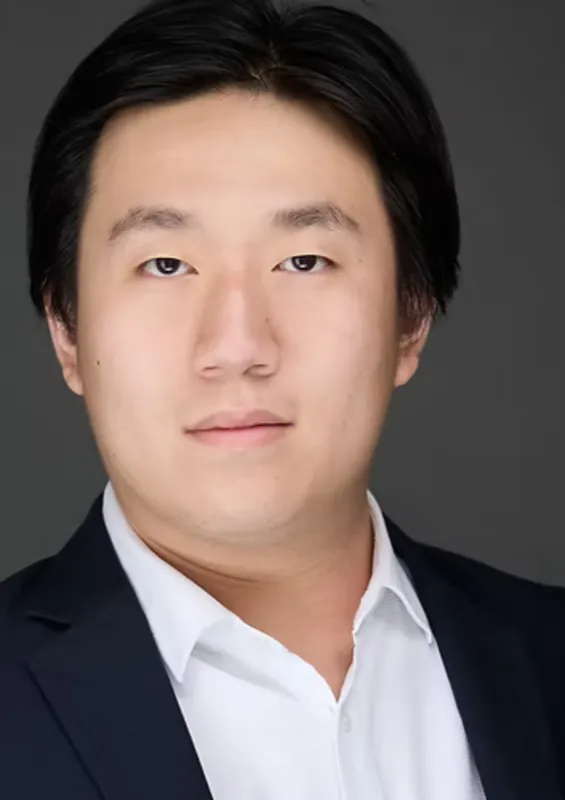

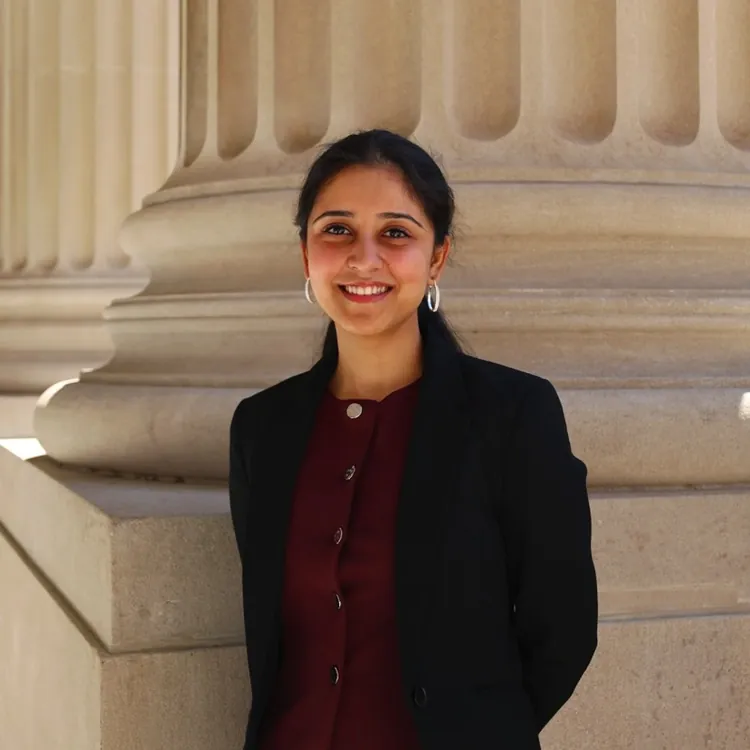
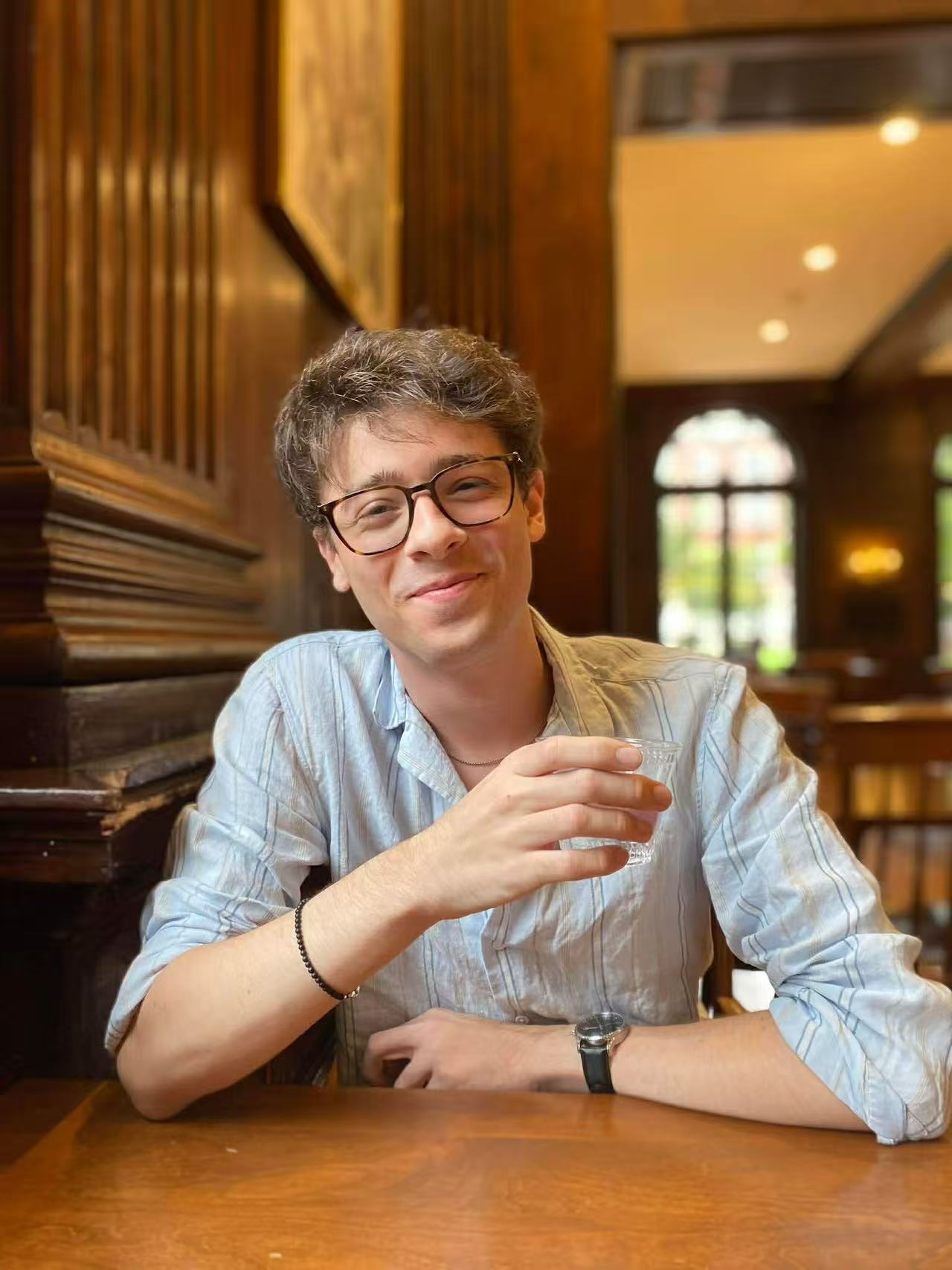
Mentors from Oxford, Harvard, Yale & Cambridge
Every writing tutor has coached students onto the John Locke shortlist — two with 100% of their students shortlisted in 2026. Read their profiles and per-tutor results.
Meet the TutorsCommon Questions
Why should my child enter academic writing competitions?
Competitions give writing a real audience, a real deadline, and independent external validation. Recognition from the John Locke Institute, the Harvard International Review, or The Concord Review demonstrates research ability and intellectual depth in a way school grades cannot, and admissions officers at selective universities are familiar with all three.
Which program should we start with?
It depends on the season and your child’s profile. From late August, the HIR course is the best general foundation (Years 7–13), while The Concord Review suits students ready for a year-long history research project. From January, John Locke preparation takes over. Economics-focused students in Year 10+ can start with Economics Scholar over the summer. A free consultation will map the right sequence.
Are all programs online?
Yes. Every Writing Scholars program runs live on Zoom in small groups capped at 8 students, or one-on-one for the premium tracks. Group times are scheduled for Gulf Standard Time evenings and work well across Europe, the Middle East, and Asia.
Who teaches the programs?
Our writing tutors trained at Oxford, Harvard, Yale, and Cambridge, and each has coached students onto the John Locke shortlist — two of them with 100% of their students shortlisted in 2026. You can read their full profiles and per-tutor results on our tutors page.
Can one student do several competitions in a year?
Yes — the calendar is designed for it. A typical sequence: HIR in the autumn (general academic writing), John Locke from January (competition essay), with The Concord Review running year-round for students committed to a major research paper. The skills compound from one competition to the next.
How do your results compare?
93% of our students (38 of 41) were shortlisted for the 2026 John Locke Essay Prize against a global rate of roughly 15–18%, and 80% of our HIR students earned Silver or Gold — the global top 10%. Year-by-year detail, including commendation tiers, is published on our results page.
Start with our free resource library — printable planners, citation cheat sheets, and research directories for every competition we coach.
Not Sure Where to Start?
A free 30-minute consultation will map your child’s profile to the right competition and the right sequence.